OpenEverest introduces Presets - one click deployment
OpenEverest v2.0.0-dev.3 introduces Presets - reusable templates for instances and clusters that turn database deployment into a single click or a simple API call.

Your go-to source for insights into the evolving world of data and infrastructure. We use this blog to break down complex database scaling and new tech into clear, actionable lessons for every builder.
OpenEverest v2.0.0-dev.3 introduces Presets - reusable templates for instances and clusters that turn database deployment into a single click or a simple API call.

Kubernetes 1.37 stops treating GPUs, gang jobs and fat data volumes as afterthoughts. Here are the seven changes that AI and data teams will actually feel.
Solanica's MSSQL operator and OpenEverest provider now ship SQL Server 2025 as the default engine and deliver provider-managed point-in-time recovery (PITR).
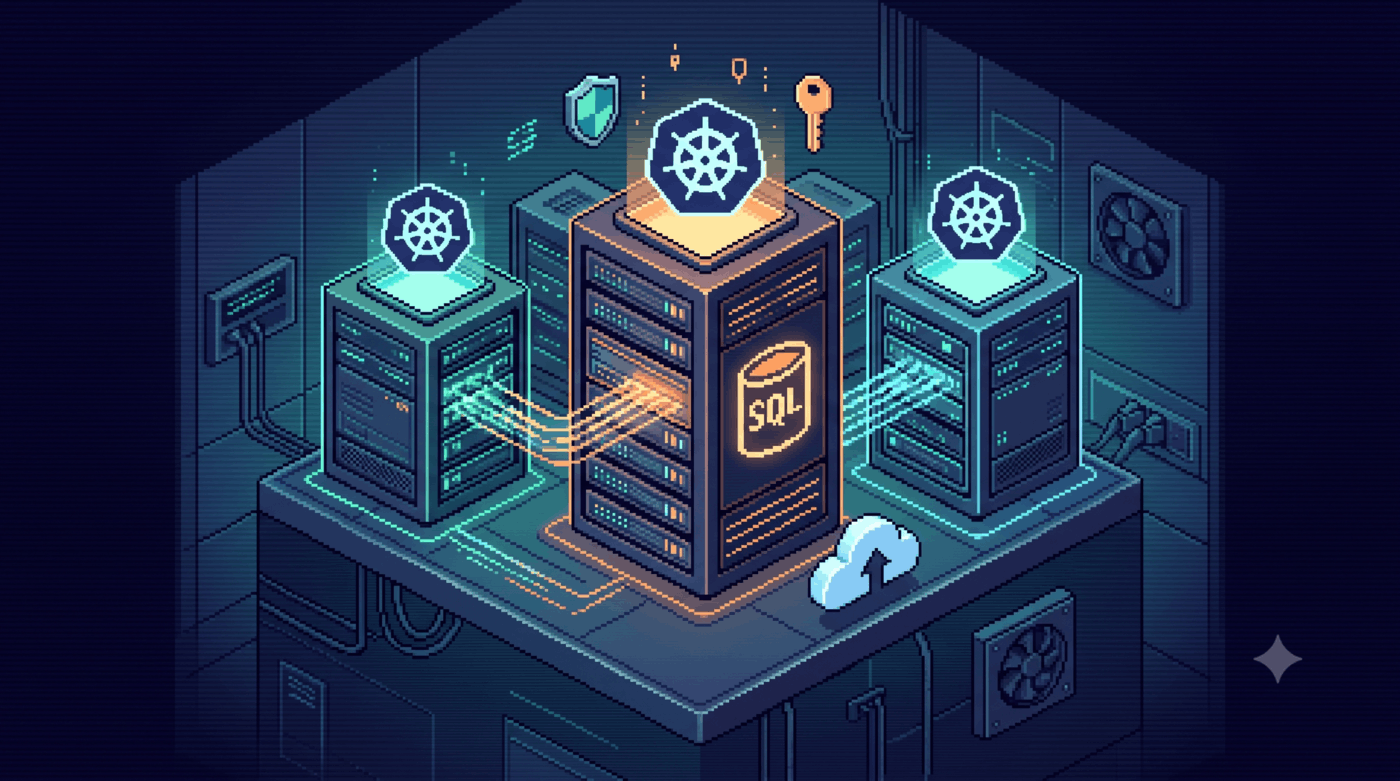
How Solanica Platform runs SQL Server on Kubernetes: a Go operator with Always-On AGs, Lease-based failover, native object-storage backups, and an OpenEverest provider.
Learn how to eliminate public cloud database fees, reduce egress costs, and escape vendor lock-in by running automated DBaaS on VMware VKS with Solanica.
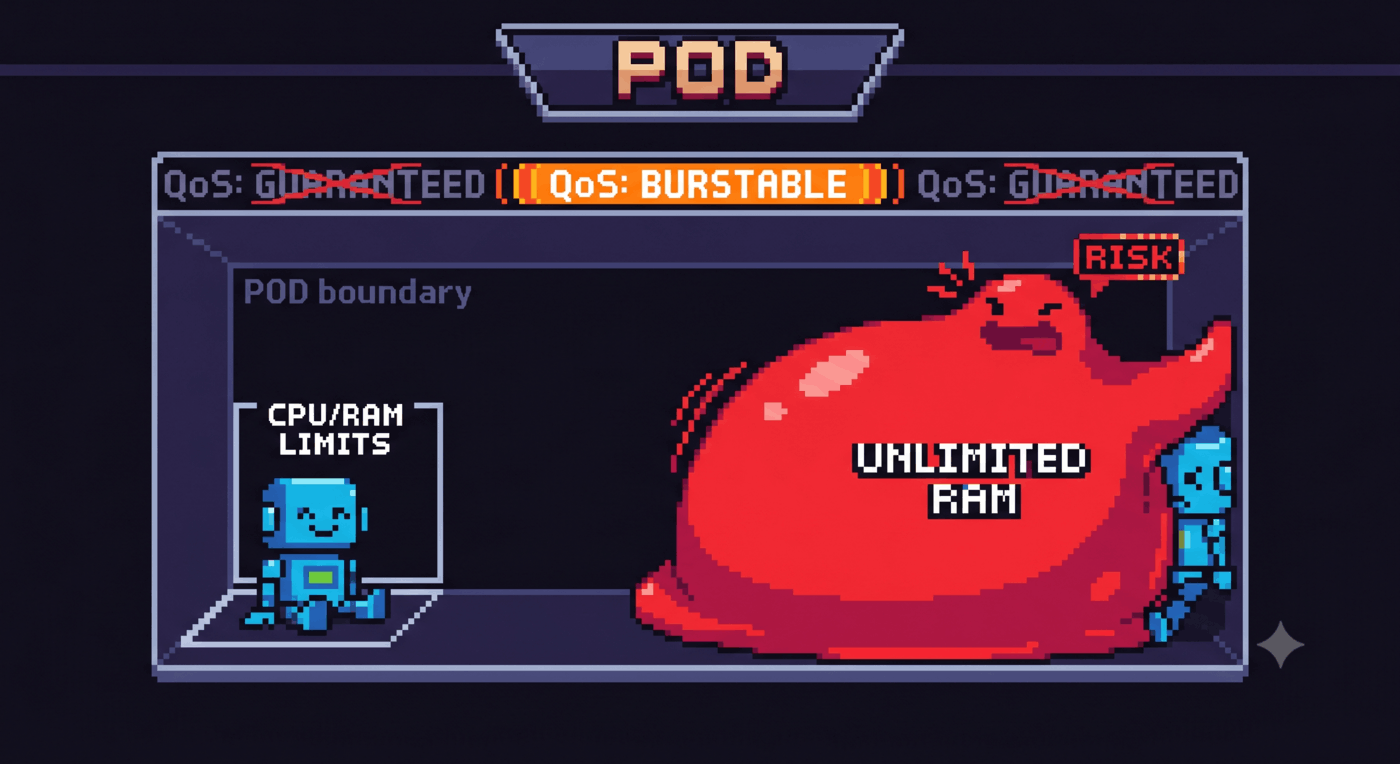
How mixing limited and unlimited containers in a single Pod impacts Kubernetes QoS, Linux cgroup enforcement, OOM risks, and Kubelet node-pressure eviction priorities.
OpenEverest v2 introduces a modular architecture with Provider and Generic Plugins, letting teams add new databases and integrations without touching the core - in days, not months.
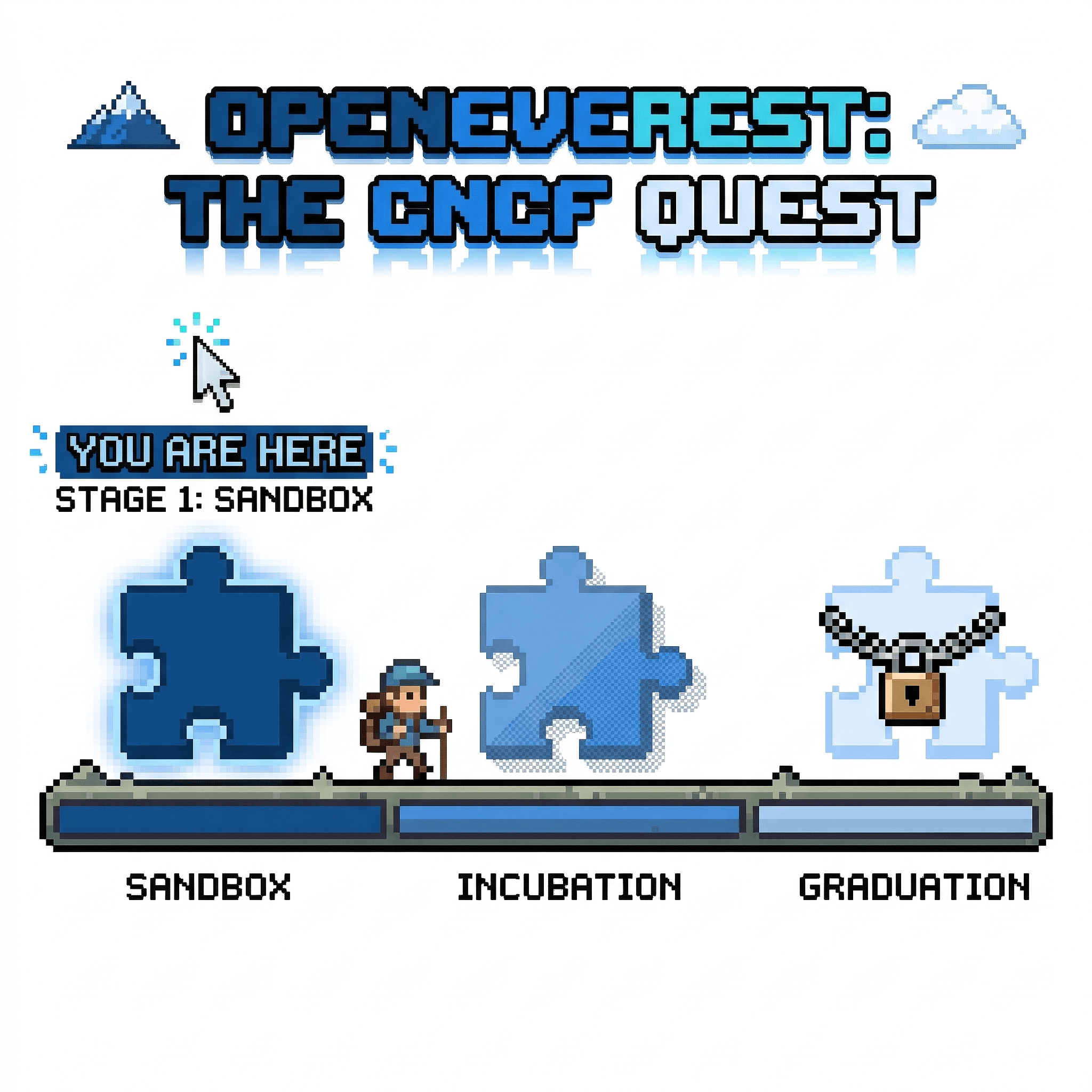
OpenEverest joins CNCF Sandbox — what vendor-neutral, CNCF-backed database infrastructure means for enterprise Kubernetes deployments and supply chain security. Learn more from Solanica.
Learn how to create an AI agent that manages databases on OpenEverest using OpenClaw skills generated from OpenAPI specs. Practical guide with real examples.
Ditch the MinIO license drama. The benchmark of SeaweedFS, RustFS, Ceph, and Garage - find the best open-source S3 alternative for your Kubernetes stack.